Your land, powering the grid.Utility-scale solar land leases for landowners and farms.
If you own 25 acres or more of open land, it may be suited to a utility-scale solar project. Buck Energy Partners connects landowners and farms with vetted, licensed, insured, and certified utility-scale partners — many of the largest in the country — through a long-term land lease.
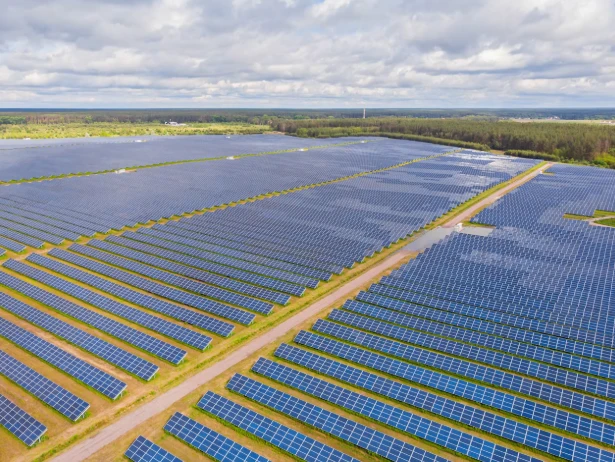
A lease is not a sale. You keep the land.
What utility-scale partners look for.
No single factor decides it, and you do not need every answer before you call. Your first conversation covers all four; a utility-scale partner assesses the parcel from there.
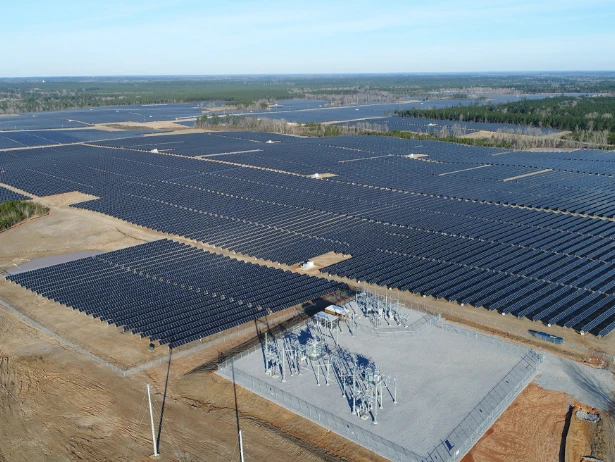
25 acres or more
Open acreage you own or control. Spread across more than one parcel? Tell us.
Open, gently sloped ground
Cleared or farmed land with little shading. Flatter ground is simpler to build on.
Close to the grid
Transmission lines or a substation nearby. The partner’s assessment confirms whether they can take new power.
Buildable conditions
Limited wetlands and floodplain, zoning that allows solar, and road access for construction.
Think your parcel fits? Find a time to chat with our Energy Team.
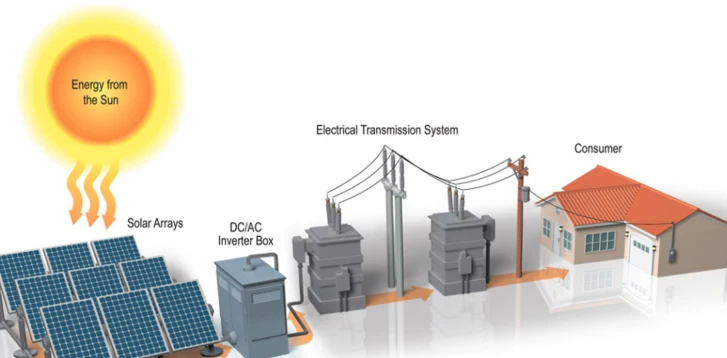
How a utility-scale project delivers power.
The array converts sunlight to electricity, inverters condition it, and a substation steps it up to transmission voltage, sending it onto the grid that serves homes and businesses across the region.
How a solar land lease works.
We gather the basics and make the introduction. The assessment and the lease are between you and a vetted utility-scale partner.
Chat with our Energy Team
Tell us about the parcel: where it is, how many acres, and how it is used today.
Parcel details
We gather what a partner needs to assess the land: location, acreage, distance to power lines or a substation, how it is used today, and any known zoning or wetland limits.
Matched with a utility-scale partner
We introduce you to a utility-scale partner active in your region.
Lease agreement
Terms are negotiated directly between you and the partner. Have any agreement reviewed by your own attorney.
Development and construction
Your partner handles studies, permitting, interconnection, and construction. Utility-scale development moves on the utility’s and the county’s timelines, which can take years.
Decades of operation
The array produces power for decades. Lease agreements typically address equipment removal and land restoration at the end of the term.
Agrivoltaics: solar and agriculture can share the ground.
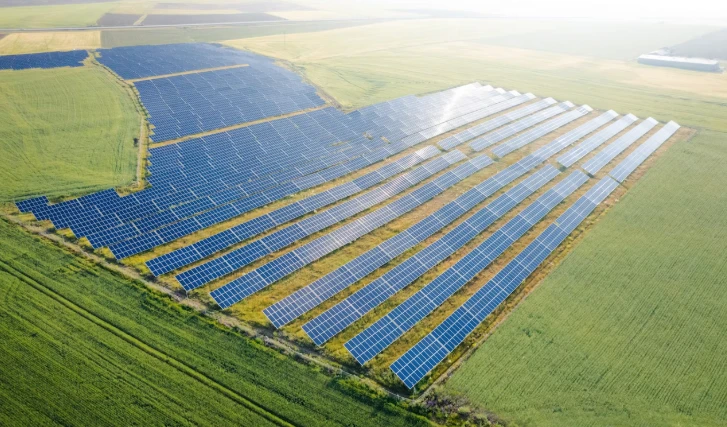
The array does not have to take the whole property. Depending on the project, acreage outside it may stay in its current use.
Some projects are designed so grazing or pollinator plantings can share the ground beneath and between the rows — often called agrivoltaics. Whether that fits your land depends on the project and on local and state rules.
For owners of open land.
Landowners
Owners of 25 acres or more of open land interested in a long-term solar land lease.
Farms
Agricultural operations with acreage to lease, including dual-use arrangements where grazing or crops can share the ground.
Businesses with land
Companies holding large, undeveloped parcels near grid infrastructure.
Vetted. Licensed. Insured. Certified.
We partner with many of the largest commercial and utility-scale solar companies in the United States.
Vetted
Reviewed before we make an introduction.
Licensed
Licensed for the work in the state where it is built.
Insured
Insured for commercial and utility-scale construction.
Certified
Certified in the systems they design and install.
Chat with our Energy Team.
One short call is the fastest way to learn whether your land is a candidate.
Before the first conversation.
Do I have to sell my land?
No. Utility-scale partners lease the land under a long-term agreement, and ownership stays with you.
How much land do I need?
At least 25 acres of open land. Smaller parcels may still suit a commercial ground-mount system through our Commercial PV Systems division.
Can I keep farming?
Often, in part. Acreage outside the array may stay in use, and some projects are designed for grazing or pollinator habitat within the array. It depends on the project and the lease terms.
Where do you work?
All 50 states. Your parcel is matched with a utility-scale partner active in your region.
How long does the process take?
Utility-scale projects move on the timelines of utility interconnection and local permitting, which can take years. Your partner will walk you through the expected schedule for your site.
What happens at the end of the lease?
Lease agreements typically include provisions for removing the equipment and restoring the land. Review those terms with your attorney before signing.
Does Buck Energy Partners build the project?
No. Development and construction are carried out by our utility-scale partners. We make the introduction.
Prefer to send your details first?
Leave your contact details and our Energy Team will follow up to learn about the land and set a time to talk.
Rather talk it through? Find a time to chat with our Energy Team, or call 717.820.9588.
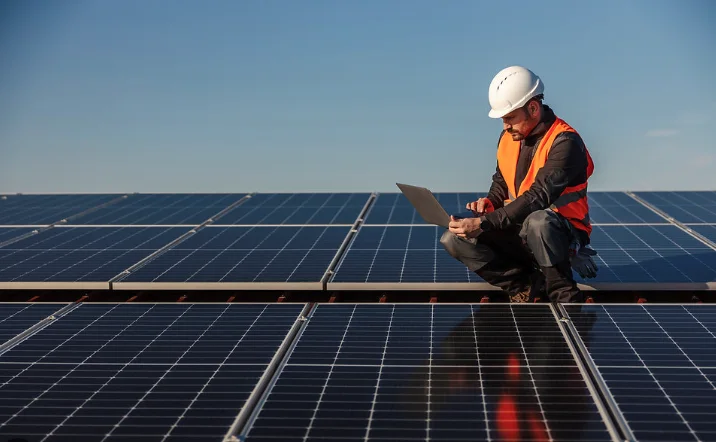
Buck Energy Partners introduces clients to vetted, licensed, insured, and certified partner firms. Engineering, construction, and electrical work are performed by those partners, licensed in the state where the project is built. Photographs are illustrative.